A facelift is a surgical procedure designed to rejuvenate the face and neck by correcting skin laxity and repositioning the deeper tissues that naturally descend over time. It is not just about “stretching the skin,” but about restoring the facial structure at its natural level, achieving a younger, more harmonious look without losing your own expressions.
There are different types of facelifts depending on each patient’s needs (mini facelift, full facelift, neck lift, etc.), and the choice of technique will depend on the individual’s anatomy and personal goals.
The result is a face with a fresher and more natural appearance, always preserving the patient’s identity and avoiding an artificial look.
There are several facelift techniques, and the choice depends on the patient’s characteristics (age, degree of skin laxity, areas to be treated) and the desired outcome:
Each of these techniques can be adapted or combined depending on the patient’s needs, always with the goal of achieving a natural, balanced result in harmony with the rest of the face.
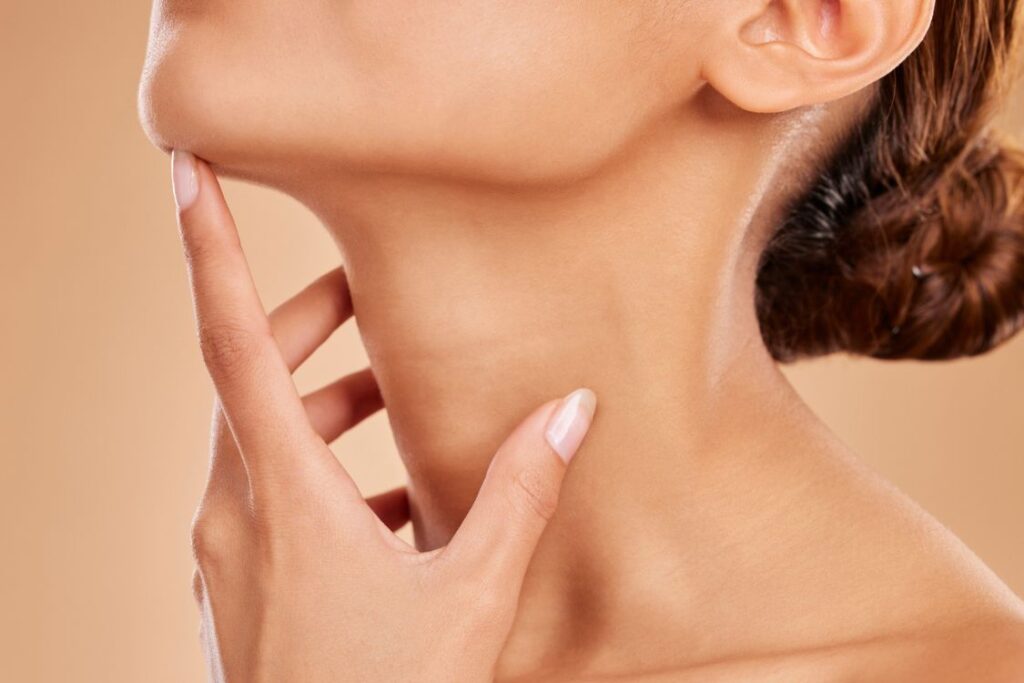
Recovery after a facelift varies depending on the technique used and each patient’s individual characteristics, but in general terms:
Throughout the process, regular medical check-ups are carried out to support the patient and ensure a safe, smooth recovery.
There is no exact age. It is usually considered from the age of 40–45, when signs of sagging in the face and neck become more noticeable. What matters is the individual changes in each patient, not the number.
The incisions are placed in strategic areas (around the ear and along the hairline), so that once healed they are barely noticeable.
The goal of a facelift is to rejuvenate without changing your identity. The tissues are repositioned at their natural level, avoiding the artificial look of older techniques.
A facelift provides long-lasting results, typically between 8 and 12 years, although natural aging continues. Healthy lifestyle habits help to maintain the outcome.
It is generally not painful. Some tightness or mild discomfort may appear in the first days, but these are easily managed with simple medication.
Most patients return to everyday life after 2-3 weeks, depending on the technique used and their individual recovery.

